Why Teams Keep a Captain: A Role with a Changing Story
Why teams keep a captain depends on their customs and needs. See how one club shares leadership, handles match-day coordination, and gives the role meaning.
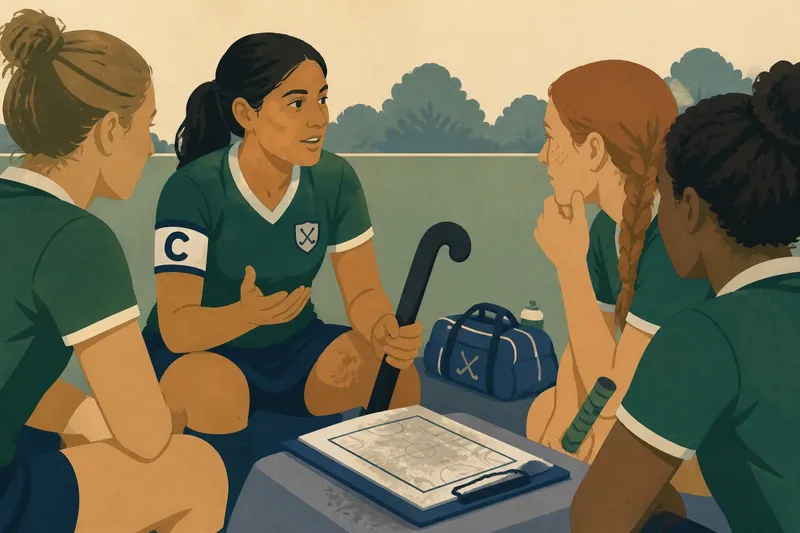
At a damp Tuesday training session, a captain tucks a soggy team sheet under one arm while teammates argue over who will welcome a new player. That ordinary moment hints at why teams keep a captain: the role can be a badge of belonging, a voice for the group, or a practical way to keep people connected. Its meaning shifts with the sport, the club, and the people wearing the shirt.
More than a match-day face
Many spectators first notice a captain at the coin toss, during a handshake, or speaking to an official. That visibility can make the role seem like a single job: represent the team in public. Yet a captain’s influence often happens between those moments—in a quiet check-in with a nervous teammate, a reminder about shared expectations, or a conversation that helps a disagreement cool.
Teams also use the title to make responsibility legible. Players know whom to approach with a concern, while coaches and officials have a recognizable contact. That does not make the captain a manager, referee, or spokesperson for every opinion. A team may choose to divide those duties, particularly when a captain is new, young, or more comfortable leading through example than speeches.
For an amateur side, the role can matter precisely because nobody is paid to coordinate the everyday details. A captain might gather availability, welcome a substitute, or pass along a coach’s message. Another team may keep those tasks with a team administrator and ask its captain to focus on morale and communication.
Why teams keep a captain
The title offers a familiar point of contact, but familiarity is not the same as authority. Some teams select a captain through a vote; others ask a coach to appoint one, rotate the role, or name several leaders. Each custom expresses a different idea of trust. A vote may give teammates a direct say, while appointment can match a role to a particular season’s needs. Neither method tells the whole story of how a captain will lead.
Sporting customs shape the job, too. In some sports, the captain has a defined role in formal exchanges with officials. In others, the title is mostly an internal sign of responsibility. Even within one sport, a youth squad, a long-running community club, and a casual league team may expect different things from the same armband.
The useful question is not whether every team needs one person in charge. It is what the team needs someone to notice, communicate, or represent—and whether the captain is the right person to do it.
A season in Brookside
Imagine Brookside Rovers, an invented community field-hockey team, starting a new season with an old habit: the coach appoints a captain, and everyone assumes that person will handle everything. The outgoing captain has moved away. The team chooses Maya, a steady defender who listens well but dislikes speaking for the group. Several players assume she will arrange rides, relay every practice change, welcome newcomers, and challenge officials during matches.
At the first team meeting, Maya asks what people actually want from the captain. The answers pull in different directions. One teammate wants a clear voice during a match; another wants someone to notice when a player is being left out. The coach wants messages passed along reliably. A newer player says it would help simply to know whom to ask about club customs.
The group agrees on a modest arrangement. Maya will represent the side in formal match exchanges and check in with the coach about team concerns. A volunteer coordinator will handle schedules and ride requests. Two teammates will take turns welcoming newcomers and explaining where equipment belongs. Maya remains captain, but the role no longer means doing every useful task herself.
At a later match, a substitute arrives unsure where to warm up. One of the welcome partners points out the team area, while Maya introduces the player to the group. When frustration rises after a disputed call, Maya waits until play has moved on, then asks a teammate what support would help. She does not promise to change the official’s decision or speak for someone who has not asked her to.
By the end of this invented season, the visible part of Maya’s role has not vanished. She still stands with the team in formal moments. But teammates also recognize leadership in the coordinator’s reliable messages and the rotating welcome duty. The captain’s title has become a center of connection rather than a claim that one person owns every responsibility.
The point is not that every club should copy Brookside. Its arrangement fits a particular group, and another team might prefer a captain who handles more match-day communication. The useful lesson is to compare the title with the actual work, then adjust the role when the two drift apart.
Questions about captains?
How is a team captain chosen?
A coach may appoint a captain, teammates may vote, or the team may rotate the role. The choice works best when players understand what the captain is expected to do.
Does the captain speak for every teammate?
Not automatically. A captain can carry a concern to a coach, but should make room for the person affected to explain their own view when appropriate.
Can a team have more than one leader?
Yes. A team can share match communication, welcoming, and practical coordination among several people while keeping one formal captain, or it can name co-captains if its customs allow.
What if the captain is uncomfortable with the role?
The team can clarify which duties matter, offer support, or choose someone else. A title should help the group function, not trap a player in a job that does not fit.
Keep the role clear
A captaincy works better when teammates can describe its boundaries in plain language. Before a season or tournament, a group might agree on a few points:
- Representation: Who speaks in formal exchanges with officials, and when should a teammate speak for themselves?
- Communication: Which messages pass through the captain, and which belong with a coach or team administrator?
- Welcome: Who helps newcomers learn the club’s ordinary customs?
- Concerns: How can players raise a problem, and what should the captain do if it needs a coach’s attention?
- Review: When will the team check whether the role still suits its needs?
These questions need not become a formal policy. A brief conversation can prevent the armband from carrying a bundle of unspoken expectations. If responsibilities change, tell the team directly so no one is left guessing whom to ask.
Why teams keep a captain has no single answer: the title can preserve a club tradition, provide a representative, or help a group coordinate its care for one another. Its strongest meaning comes from the work teammates recognize and share, not from the symbol alone. If a captain makes the team easier to approach and clearer about how it acts together, the role is doing useful work—even when much of that work stays out of sight.