Club Taster or Casual Game: Two Ways to Try a New Sport
Compare a club taster and a casual game to choose a first step that fits your comfort with structure, equipment, and the pace of play.

You’ve borrowed a racket, and two invitations are on the table: a club taster on Tuesday or a neighbor’s casual game on Saturday. Choosing between a club taster and a casual game is less about which one is easier and more about what you want to learn first: the sport’s basic skills or the way a group plays together.
These formats differ in who sets the pace, how much instruction is built in, and what counts as taking part. Treat them as different ways to sample a sport, not as auditions for a team.
Two Kinds Of Session
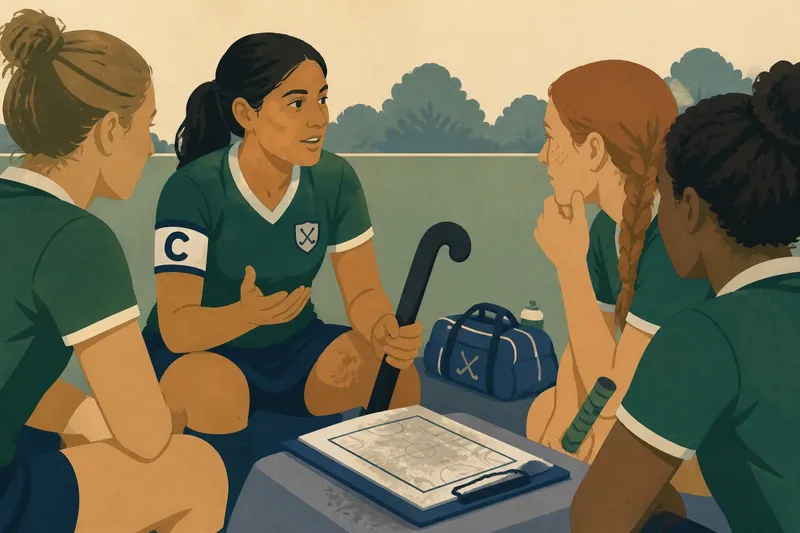
A club taster is arranged around newcomers. A coach or host may demonstrate a basic skill, explain a rule, and set up activities that let people try it. The plan gives the session a clear shape, though it may leave less room to choose what happens next.
A casual game grows out of the players’ own plans. It could be a relaxed tennis rally, pickup basketball, or a friendly badminton game at a park. People may explain rules as they come up, but the game’s rhythm often takes priority over a formal lesson.
Neither format is automatically a better first visit. A taster offers more instruction; a casual game offers a closer look at how people play when no lesson plan is running. Decide which of those experiences would answer your main question.
Choose By What You Want
If you want to understand basic technique or rules, a taster can put those pieces in one place. If you want to see how a sport feels in an ordinary game, a casual session may be more revealing. You can also choose based on the kind of group setting you prefer: a session organized by a host, or a game shaped by its players.
Say you have never played badminton and want to know whether you enjoy rallying more than learning a serve. A taster that begins with coaching may answer the serve question, while a casual game may answer the rallying question—if the host is willing to slow down and explain. Ask what the session actually involves, then pick the one whose plan best matches your curiosity.
Choose the session that answers the question you care about most.
Sort Out The Format?
What happens at a club taster?
A host or coach usually introduces the activity and sets up some guided practice. Ask whether the session includes open play, drills, or both, since clubs use different formats.
What does casual mean in a sports game?
It usually means the players organize the game themselves, but the pace and level of explanation vary. Ask whether newcomers can pause to clarify a rule before you accept the invitation.
Can I try both formats?
Yes, if both are available and suit your schedule. Trying them separately can help you tell whether you prefer instruction, free play, or a mix of the two.
Check The Session Details
Before choosing, get concrete answers rather than relying on labels such as “beginner-friendly” or “casual.” Each answer points to a useful next decision:
- Check whether the description names coaching or instruction; if it does, choose the taster when learning basics is your priority, but ask the organizer for clarification if the description is vague.
- Check whether the session includes a game or open play; if it does, choose it when playing is your main interest, but look for another session if you want guided practice instead.
- Check whether newcomers are expected; if they are, proceed with that option, but contact the host first if the group’s experience level is unclear.
- Check whether players pause to explain rules; if they do, a casual game may suit you, but choose a coached session if the group plans uninterrupted play.
- Check whether equipment is provided; if it is, you can avoid arranging a loan yourself, but ask what you need to bring if the answer is no.
- Check the footwear and clothing guidance; if it matches what you have, follow it, but ask the organizer about an acceptable alternative if it does not.
For equipment and facility rules, follow the organizer’s guidance, the manufacturer’s instructions, and local rules that apply.
What You Learn From Each
A taster can reveal how a club teaches: whether instructions are demonstrated, whether people get a chance to repeat a skill, and whether the coach welcomes questions. That can matter if you are considering lessons or regular club sessions.
A casual game can show the sport’s social texture. You may notice how players share turns, adjust the pace, or handle a disagreement about a rule. Those details are not a formal measure of a group; they are clues about whether its way of playing appeals to you.
Keep your first question narrow. You do not need to decide whether a sport will become a lasting hobby during one visit.
When The Fit Feels Off
A taster may be more instructional than you hoped. Ask the host whether there is time for open play; if there is, stay for that part, and if not, you have learned that this session is built around coaching rather than free play.
A casual game may move too quickly for a useful introduction. You can ask players to explain a rule between rounds; if they would rather keep the game moving, look for a coached session or another group that welcomes pauses.
Imagine your starting point is a Tuesday taster described as beginner-friendly, but you mainly want to play. You ask the organizer whether the session includes a game, and they say it is drills only. You choose the neighbor’s Saturday badminton invitation, ask whether the group can explain serving before play, and learn that it can. The tradeoff is clear: you get a game sooner, but less structured coaching.
Questions That Guide Choice
Which option teaches rules more clearly?
A coached taster is more likely to make rule explanations part of the session. A casual group may explain as needed, so ask how it handles questions before joining.
Which option leaves more room to play freely?
A casual game often gives players more say over what they do, though the group sets its own pace. Ask whether the taster includes open play if you want both instruction and a game.
Should I bring equipment?
Do not assume either format supplies it. Check the session message or ask the host which items are available to borrow and what you need to bring yourself.
Read The Experience
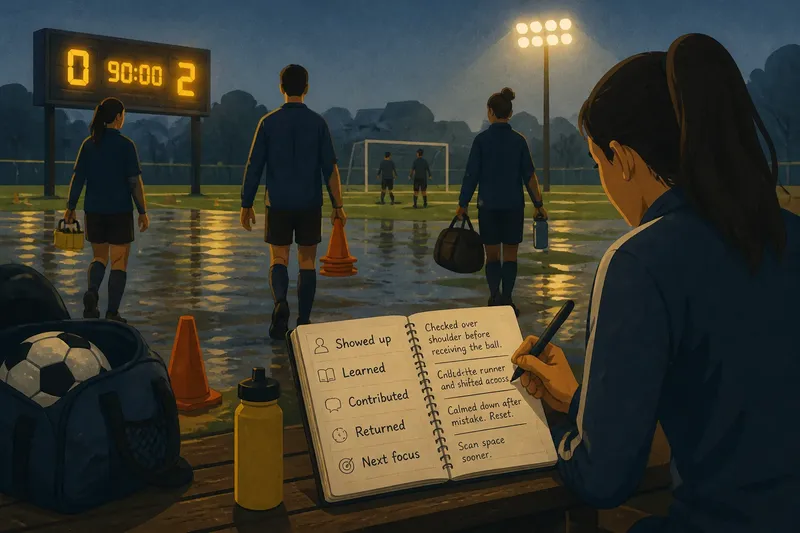
Afterward, think about what you learned about the sport’s format, not whether you performed well. Was the instruction useful? Did the pace let you take part? Did you enjoy practicing a skill or joining a game? Those answers help distinguish a mismatch with one session from a lack of interest in the sport.
Choosing between a club taster and a casual game is easier once you know what each can show you. Use the next visit to test one specific question—how a club teaches, how a game flows, or which kind of participation feels more natural—and let that answer shape your next choice.